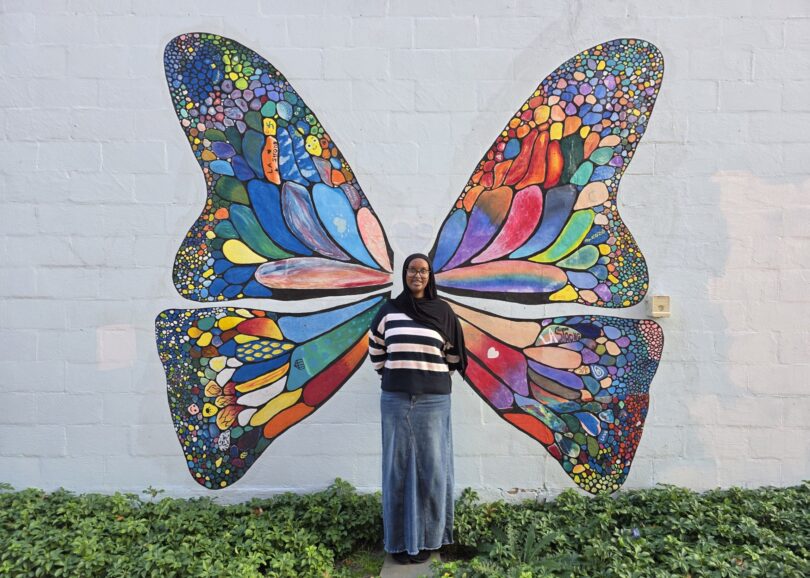
Auburn, Maine, U.S.A. – Although she is not an immigrant herself, there is no doubt that as a first-generation American, Ilwaad Hussen experienced similar challenges and struggles as her parents, who came to Maine from two different African countries.
Hussen, a 17-year-old girl who is a senior at Edward Little High School, is the daughter of two immigrants. Her father came from Somaliland and her mother from Djibouti. Born in Phoenix, Arizona, she was only three years old when the family moved to Maine.
Listen to the author read this story:
Opportunities that came with hardships
People come to America for both a better opportunity and a better life, but the outcome is not always what they expect.

“My mom came here for better health,” she said, adding that in Djibouti, there were not a lot of hospitals that could give her mother the care she needed.
“And so she came here because of her heart and she lived in California with my cousins for a while.”
Her father came to America for better opportunities, said Hussen, and her parents met in the U.S.
America immigrants can find many different kinds of opportunities here, whether it is access to healthcare, which her mother sought, or better work opportunities, like the “really good job” her dad found in Portland.
But despite these opportunities, hardships are often inevitable, and immigrants can face challenges that are difficult to escape.
“Being like the only like Black person in a room majority of the time, like in classrooms or like even like sometimes at the store” can sometimes be uncomfortable, said Hussen.
As a native-born American, Hussen still faced similar obstacles as her parents because she is part of an immigrant family.
When Hussen was in third grade, the family moved from Portland to Auburn, a smaller town.
She likes the scenery, the changing colors of the leaves and the weather here, said Hussen.
Her experiences demonstrate that the difficulties associated with immigration can also affect the children of immigrants as they navigate their own lives in America.
Coming to America brings opportunities and benefits and it can also bring hardships that shape the experiences of those who arrive seeking a better life, as well as the generations that follow.
What it means to be American
Being American could be described as a many different things. It’s a broad term to define.

But Hussen offered a perspective that extends beyond nationality and cultural identity, one that can resonate with almost anyone.
“I think being American means just being human,” she said.
“American is just more like a title, because, like, you can be American, you can be African,” she continued. “You can be all these things, but at the end of the day, you’re still human.”
Although people may come from different countries, speak differently, or practice different traditions, those differences do not take away from their shared humanity.
As the daughter of two immigrants, Hussen’s understanding of what it means to be American comes down to something much simpler than nationality: the recognition that, regardless of where someone comes from, their humanity remains the same.
As far as the promises outlined in the Declaration of Independence – life, liberty and the pursuit of happiness – Hussen said they ring true for her family.
“My family did come here for a better life” and they got it, said Hussen, adding that she knows there are other families that aren’t as lucky.
Hussen said she visited Djibouti a few times to see her grandmother and found it beautiful. But she also saw people struggling.
“It was a very humbling experience.”
Amina Bashir is a Reporter with Youth Journalism International.
Read more from the YJI series American Reflections: Young voices on an old promise by clicking on the logo below: